Channel Letters vs. Cabinet Signs: Which Is Better for Your Business?
Choosing the right exterior sign is an important decision for any business. Your sign needs to attract attention, communicate your brand clearly, remain visible after dark, and complement the architecture of your building.
Two of the most common options for commercial buildings are channel letter signs and cabinet signs. Both can provide excellent visibility, but they differ significantly in appearance, construction, cost, illumination, and ideal applications.
In this guide, we compare channel letters vs. cabinet signs to help you determine which type of business sign is the best fit for your property.
What Are Channel Letter Signs?
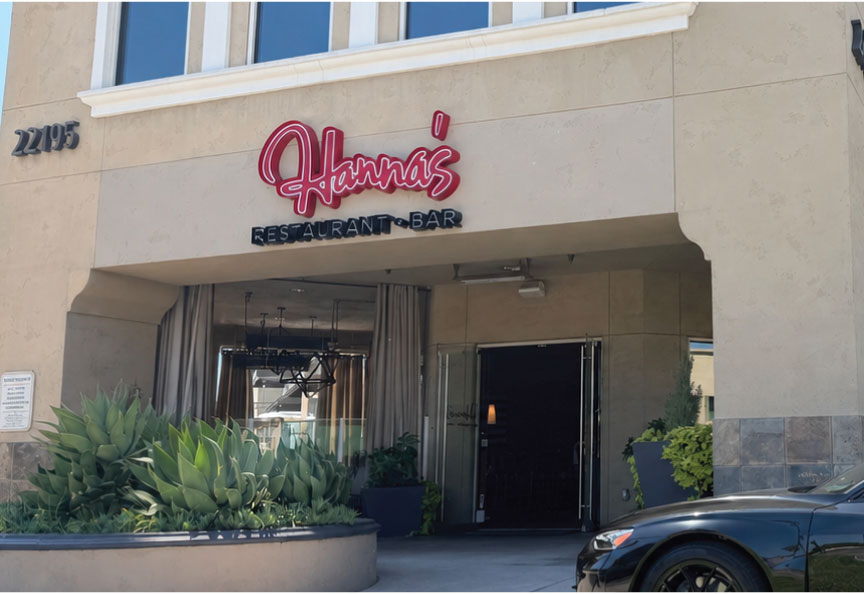
Channel letters are individually fabricated letters, numbers, or logos commonly installed on storefronts, shopping centers, office buildings, and other commercial properties.
Each letter is typically constructed from aluminum and acrylic and can contain its own LED illumination. Because the letters are individually mounted, channel letter signs create a clean, dimensional appearance that looks professionally integrated into the building.
Channel letters can be installed directly to the wall or mounted to a raceway, which is a metal enclosure that contains the electrical components and reduces the number of wall penetrations.
Common Types of Channel Letters
Front-lit channel letters illuminate through the acrylic face of each letter. This is the most common channel letter style and provides strong nighttime visibility.
Reverse-lit channel letters, also called halo-lit channel letters, project light onto the wall behind the letters. This creates a soft halo effect and a more upscale architectural appearance.
Combination-lit channel letters use both front illumination and rear halo lighting for maximum visual impact.
Non-illuminated dimensional letters have a similar individually mounted appearance but do not contain internal lighting.
What Is a Cabinet Sign?
A cabinet sign, sometimes called a box sign or wall cabinet, consists of a single enclosed sign structure with one or more illuminated faces.
Instead of fabricating each letter separately, the business name, logo, and graphics are placed on the face of the cabinet. The entire sign face is typically illuminated from inside using LED modules.
Cabinet signs can be mounted directly to a building, installed on a pole, incorporated into a monument sign, or used as tenant panels in shopping center signs.
Channel Letters vs. Cabinet Signs: Key Differences
Although both sign types can be illuminated and mounted to a commercial building, their finished appearances are very different.
Appearance
Channel letters generally provide a more customized and architectural look. Because each letter is individually fabricated, the sign follows the shape of the company name or logo rather than appearing inside a rectangular enclosure.
Cabinet signs have a more traditional appearance. The graphics are displayed within a single box-shaped structure, although custom shapes and decorative features can be added.
For businesses prioritizing a modern, polished storefront, channel letters are often the preferred choice.
Branding Flexibility
Channel letters can be fabricated to match many custom fonts, colors, letter depths, logos, and lighting styles. They work especially well for businesses with a recognizable wordmark or simple logo.
Cabinet signs provide a large, continuous graphic area. This makes them useful for designs that include detailed artwork, multiple colors, taglines, phone numbers, or other information that may be difficult to fabricate as individual letters.
Nighttime Visibility
Both channel letters and cabinet signs can provide excellent nighttime visibility.
Front-lit channel letters create bright, clearly defined letterforms that are easy to read from a distance. Reverse-lit letters create a more refined glow but may be slightly less visible from long distances than front-lit letters.
Cabinet signs illuminate the entire sign face, making them highly visible and especially effective for businesses located near busy roads or in areas with limited ambient lighting.
Installation
Channel letters require individual letters or a raceway to be attached to the building. Direct-mounted channel letters may require several wall penetrations and careful electrical coordination.
Raceway-mounted channel letters simplify installation by attaching the letters to a metal raceway before the completed assembly is mounted to the wall.
Cabinet signs are installed as a single unit. Because of their size and weight, they require secure structural attachment and may need additional wall reinforcement depending on the building construction.
Maintenance
Modern channel letters typically use energy-efficient LED modules that can provide years of reliable illumination. If one letter experiences an electrical problem, repairs may be limited to that individual letter.
Cabinet signs also use LED illumination, but accessing the electrical components may require removing all or part of the sign face. Larger cabinets can contain more lighting components and may require more extensive servicing.
Regular sign maintenance can help prevent uneven illumination, electrical failures, water intrusion, and faded sign faces.
Cost
The cost of a commercial sign depends on several factors, including:
- Overall sign size
- Letter height
- Logo complexity
- Type of illumination
- Installation height
- Building construction
- Electrical access
- Permit requirements
- Engineering requirements
- Local sign codes
Channel letters may have a higher fabrication cost because each letter is individually constructed. However, they often provide a more premium appearance and stronger long-term branding value.
Cabinet signs can be more cost-effective for large signs or designs containing extensive graphics. However, custom-shaped cabinets, oversized structures, or complicated installations can increase the overall cost.
A professional sign company should evaluate the building, sign code, viewing distance, and branding requirements before recommending either option.
Advantages of Channel Letter Signs
Channel letters are a strong option for businesses that want a modern, professional exterior sign.
Benefits include:
- Clean and dimensional appearance
- Excellent daytime and nighttime visibility
- Custom fonts, colors, and logo shapes
- Multiple illumination options
- Strong architectural integration
- Durable aluminum and acrylic construction
- Energy-efficient LED lighting
- Professional appearance for shopping centers and storefronts
Channel letters are commonly used by restaurants, retail stores, medical offices, fitness centers, financial institutions, and other customer-facing businesses.
Advantages of Cabinet Signs
Cabinet signs remain an effective and practical signage option for many commercial properties.
Benefits include:
- Large illuminated graphic area
- Excellent roadside visibility
- Ability to display detailed logos and graphics
- Space for taglines or additional information
- Effective for pole signs and monument signs
- Straightforward face replacement when branding changes
- Suitable for both wall-mounted and freestanding applications
Cabinet signs are often used by auto repair businesses, industrial companies, convenience stores, shopping centers, schools, churches, and businesses located along major streets.
Which Sign Is Better for a Storefront?
For most retail storefronts, channel letters provide a cleaner and more upscale appearance. Individually fabricated letters help the business name stand out without covering a large portion of the building façade.
Many shopping center sign criteria also specifically require channel letters to maintain a consistent appearance among tenants.
However, a cabinet sign may be appropriate when the building already has an existing sign cabinet, the business has a highly detailed logo, or the sign needs to communicate more information than a typical channel letter sign.
Which Sign Is Better for Roadside Visibility?
Cabinet signs can be especially effective for roadside applications because the entire sign face is illuminated. They are frequently used on pole signs and monument signs where drivers need to identify a business quickly.
Large front-lit channel letters can also provide excellent roadside visibility, particularly when properly sized for the viewing distance.
The best option depends on the sign’s height, distance from the street, vehicle speed, background conditions, and surrounding lighting.
Which Sign Looks More Modern?
Channel letters are generally considered the more modern option. Their individual construction produces a dimensional appearance that works well with contemporary architecture.
Reverse-lit channel letters are particularly popular for professional offices, upscale retail locations, restaurants, and modern commercial developments.
Cabinet signs can still look modern when they include custom shapes, routed aluminum faces, dimensional elements, decorative retainers, or updated LED illumination. However, a basic rectangular cabinet usually has a more traditional appearance.
Can an Existing Cabinet Sign Be Converted to Channel Letters?
In some cases, an existing cabinet sign can be removed and replaced with channel letters. However, the building surface may need repairs after the cabinet is removed.
The wall should be evaluated for:
- Existing mounting holes
- Electrical penetrations
- Faded paint or wall discoloration
- Stucco or façade damage
- Structural attachment locations
- Available electrical power
- Landlord sign criteria
A sign survey can determine whether the existing electrical circuit and mounting conditions can be reused.
Do Channel Letters or Cabinet Signs Require Permits?
Most permanent exterior business signs require approval from the local city or municipality. Some properties also require approval from the landlord, property manager, or architectural review committee.
The permitting process may include:
- Sign drawings
- Building elevations
- Dimensions and square footage calculations
- Electrical details
- Structural attachment details
- Engineering calculations
- Property owner authorization
- Planning or zoning review
- Electrical and building inspections
Sign regulations vary by city and property. A qualified commercial sign company can review the applicable sign code and manage the permitting process.
How to Choose the Right Sign for Your Business
When comparing channel letters vs. cabinet signs, consider more than the initial price.
Your sign should be selected based on:
- Brand style
- Building architecture
- Required viewing distance
- Daytime and nighttime visibility
- Landlord requirements
- Local sign regulations
- Installation conditions
- Long-term maintenance
- Available budget
Choose channel letters when you want a clean, dimensional, highly customized storefront sign.
Choose a cabinet sign when you need a large illuminated graphic area, detailed artwork, or strong visibility from a roadway.
Professional Channel Letter and Cabinet Sign Services
RSL Signs provides professional commercial sign services throughout Orange County and Southern California. We help businesses evaluate their property, understand local sign requirements, and select signage that supports their brand and visibility goals.
Our services include:
- Custom sign design
- Channel letter fabrication
- Cabinet sign fabrication
- Sign permitting and expediting
- Engineering coordination
- Professional sign installation
- LED sign service and repair
- Existing sign removal and replacement
- Storefront and building sign programs
Whether you are opening a new business, rebranding an existing location, or replacing an outdated sign, the right signage can improve visibility and create a stronger first impression.
Contact RSL Signs to discuss your channel letter or cabinet sign project and request a customized commercial sign proposal.