What You Need to Request an Accurate Sign Quote
Planning a new business sign is an exciting step. Whether you are opening a new location, updating an outdated storefront, or improving your company’s visibility, the right signage can make a powerful first impression.
Before a sign company can provide an accurate quote, however, it needs a clear understanding of your property, your goals, and the type of sign you are considering. Providing the right information at the beginning of the process helps reduce delays, avoid unexpected costs, and ensure that the proposed signage is appropriate for your building and local requirements.
The good news is that you do not need to have every detail figured out before contacting a professional sign company. A few basic pieces of information are usually enough to begin developing an accurate sign estimate.
1. Your Business Name and Logo Files
Start by providing the exact business name, wording, and logo that will appear on the sign. This allows the sign company to evaluate the number of letters, overall dimensions, colors, materials, and fabrication requirements.
Whenever possible, provide a vector version of your logo. Common vector file formats include:
- AI
- EPS
- SVG
- Vector PDF
Vector artwork can be enlarged without losing quality, making it ideal for commercial sign design and fabrication. A JPG or PNG can still be helpful during the initial discussion, but higher-quality artwork may eventually be required.
Do not have professional logo files? That does not necessarily prevent the project from moving forward. Many sign companies can recreate existing artwork or help prepare it for sign production.
2. The Project Address
The installation address is one of the most important details needed for an accurate sign quote.
Sign codes, permit requirements, allowable sign sizes, electrical requirements, landlord criteria, and installation conditions can vary significantly by city and property. Knowing the project location allows the sign company to begin evaluating:
- Local sign regulations
- Permit requirements
- Building access
- Installation height
- Electrical availability
- Property or shopping-center criteria
- Travel and equipment requirements
Even two similar signs can have different costs if they are installed at different locations. A storefront sign installed ten feet above the ground may require different equipment and labor than a sign installed several stories high.
3. A Clear Photo of the Building or Sign Location
A current photo of the proposed sign location can answer many important questions before a site survey is scheduled.
For the most useful photo, stand far enough away to capture the entire storefront or building elevation. Try to include the surrounding area, roofline, neighboring tenants, landscaping, sidewalks, parking areas, and any obstacles that could affect installation.
Additional close-up photos can also be helpful, especially if the project involves:
- Removing an existing sign
- Covering old mounting holes
- Installing on a textured or unusual wall
- Reusing existing electrical connections
- Matching existing signage
- Working around awnings, canopies, or architectural features
Clear photographs help the sign company understand the scope of work and recommend a sign solution that fits the building.
4. Basic Measurements
Measurements help determine the appropriate sign size and provide a starting point for pricing.
Useful measurements may include:
- The width and height of the available wall area
- The dimensions of an existing sign
- The width of the storefront
- The height from the ground to the sign location
- The dimensions of an existing monument sign panel
- The approximate size you want the new sign to be
The measurements do not always need to be exact during the initial quoting stage. Approximate dimensions can often be used to prepare a preliminary sign estimate. A professional field survey can then be completed before final fabrication.
Including a common object in the photo, such as a standard door, can also help the sign company understand the approximate scale of the building.
5. The Type of Sign You Are Considering
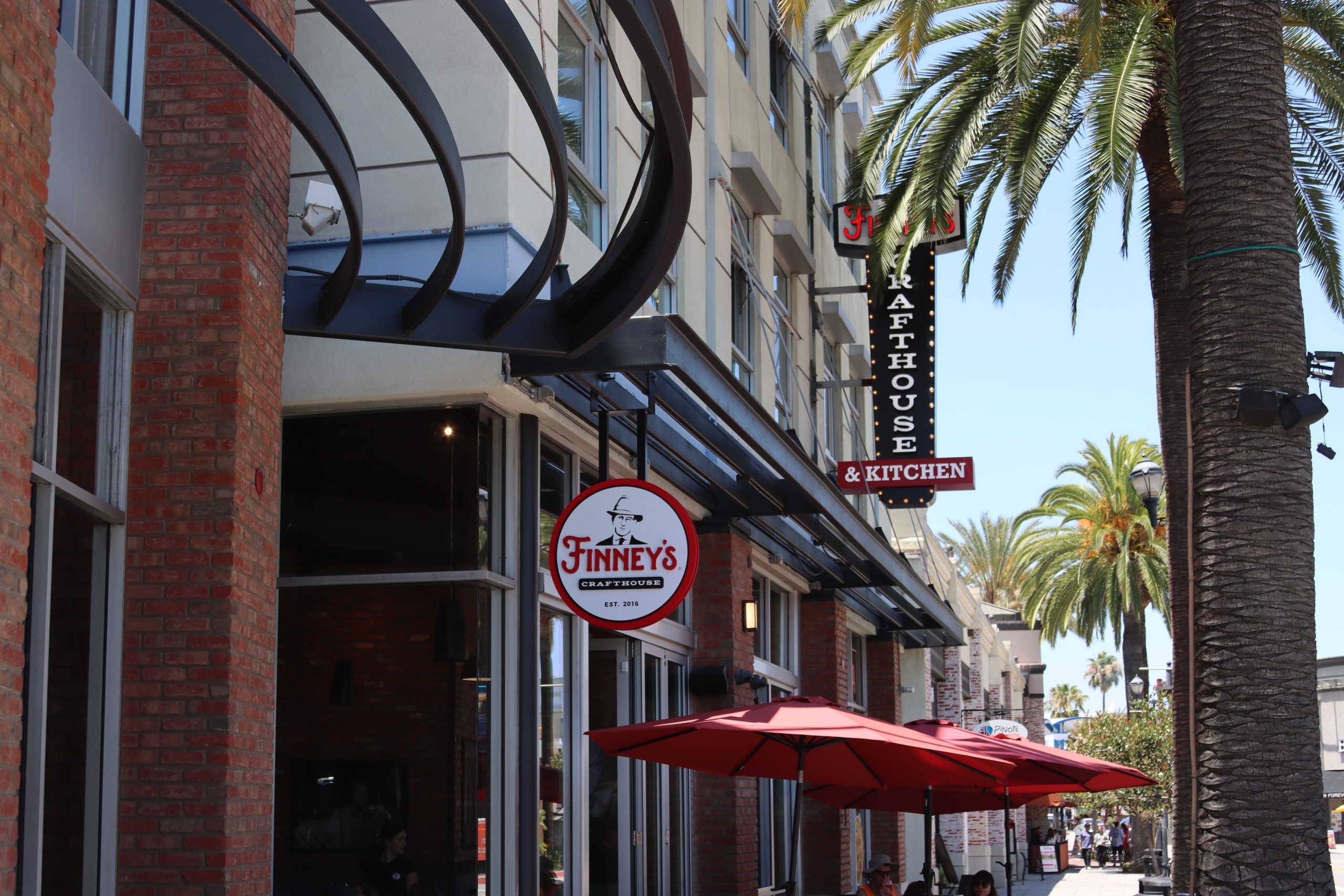
Let the sign company know what type of signage you have in mind. Common commercial sign options include:
- Channel letter signs
- Illuminated cabinet signs
- Dimensional letter signs
- Wall signs
- Monument signs
- Tenant panels
- Blade signs
- Window graphics
- Interior lobby signs
- Directional signs
- ADA signs
It is perfectly acceptable if you are unsure which type of sign is best. Describe the appearance you want, how far away the sign should be visible, and whether you want it illuminated. An experienced commercial sign company can recommend suitable options based on your goals, building, budget, and local sign regulations.
6. Whether the Sign Should Be Illuminated
Illumination has a significant effect on sign construction, electrical requirements, permitting, installation, and pricing.
Let the sign company know whether you are considering:
- Internally illuminated channel letters
- Halo-lit letters
- Front-and-back-lit letters
- An illuminated cabinet sign
- External lighting
- A non-illuminated sign
Illuminated signs can provide excellent visibility during evening hours and help a business stand out in busy shopping centers or commercial areas. The best illumination method will depend on your branding, location, lease requirements, and desired appearance.
It is also helpful to mention whether electrical power is already available near the proposed sign location.
7. Your Landlord’s Sign Criteria
Businesses located in shopping centers, office buildings, industrial parks, and managed commercial properties may be required to follow a landlord’s sign criteria.
These guidelines may regulate:
- Sign type
- Letter height
- Sign placement
- Logo colors
- Illumination
- Raceways
- Mounting methods
- Approved materials
- Required drawings
- Removal and wall repair
Providing the sign criteria early in the process helps prevent the design from being developed around an option the landlord will not approve.
The criteria may be included in your lease, tenant improvement documents, or welcome package. Your property manager or leasing representative may also be able to provide a copy.
8. Your Desired Timeline
Let the sign company know when you would ideally like the project completed.
A commercial sign project may include several stages:
- Design and revisions
- Landlord approval
- Site survey
- Engineering, if required
- Permit preparation
- City review
- Fabrication
- Installation
Providing your target opening date or completion date allows the sign company to build a realistic schedule and identify any time-sensitive decisions.
Starting early is always beneficial, particularly when landlord approval, engineering, permits, custom materials, or electrical work will be required.
9. Your Budget or Preferred Price Range
You are not required to have a fixed budget before requesting a commercial sign quote. However, sharing a general price range can help the sign company recommend practical options that align with your goals.
There are often several ways to create a professional-looking sign at different investment levels. For example, a company may compare:
- Illuminated versus non-illuminated letters
- Individual letters versus a sign cabinet
- Standard finishes versus specialty finishes
- Direct-mounted letters versus raceway-mounted letters
- Different materials, depths, and illumination styles
Discussing budget expectations early can make the design and quoting process more efficient while still producing signage that represents your business well.
10. The Full Scope of Work
For the most accurate sign quote, clearly identify which services you expect the sign company to provide.
The scope may include:
- Sign design
- Logo or artwork preparation
- Landlord submittals
- Site surveys
- Engineering
- Permit acquisition
- Sign fabrication
- Existing sign removal
- Wall patching or painting
- Electrical work
- Installation
- Final inspection coordination
A quote for fabrication only will be different from a complete turnkey sign project. Clearly defining the scope helps ensure that you are comparing proposals fairly and reduces the chance of unexpected charges later.
What Happens After You Submit the Information?
Once the sign company receives the project details, it can review the building, artwork, approximate dimensions, sign type, and installation conditions.
Depending on the project, the next steps may include:
- A preliminary design
- A budget estimate
- A site survey
- A landlord approval package
- A permit review
- A detailed written proposal
During this process, the sign company may recommend adjustments to improve visibility, simplify permitting, comply with property requirements, or provide better value.
You Do Not Need to Have Everything Figured Out
Many business owners delay requesting a sign quote because they believe they need completed drawings, exact measurements, or a fully developed sign specification.
In most cases, they do not.
A project address, building photo, logo, and general description of the desired sign are often enough to begin the conversation. A professional sign company can help organize the remaining details and guide the project through design, permitting, fabrication, and installation.
Request an Accurate Commercial Sign Quote
A well-prepared sign quote provides more than a price. It gives you a clearer understanding of the proposed sign, materials, services, approval requirements, and project timeline.
Providing complete project information allows your sign company to develop a more accurate proposal and recommend signage that complements your building, strengthens your brand, and improves your business visibility.
RSL Signs provides professional commercial signage solutions for businesses throughout Orange County and Southern California. From initial design and permitting to fabrication and installation, our team can help simplify the sign process and create a finished product that represents your business with confidence.
Contact RSL Signs to discuss your project and request a commercial sign quote.